Best Energy-Efficient Appliances in 2026 That Can Lower Power Bills
Tech News
Rising electricity prices are pushing households to rethink what they run at home. Energy‑efficient appliances are no longer a luxury. They can cut power use and lower bills without changing your daily habits.
New models emphasize real savings. Better compressors, smarter sensors, tighter efficiency standards, and utility rebates make a measurable difference for many homes.
Refrigerators
Refrigerators run 24/7, so they are one of the biggest energy users in any home. Modern ENERGY STAR certified refrigerators can use significantly less energy than older units, thanks to improved insulation, variable‑speed compressors, and smarter defrost cycles.
Efficient models often use about 350–450 kWh per year, compared to 600–800 kWh for older standard fridges. That can save $60–$120 per year on electricity, depending on local rates.
Tips when buying: choose the right size for your household, avoid too many doors (fewer seals to break), and consider top‑freezer models for lower consumption.
Upgrading an old fridge that uses 800–1,200 kWh a year to a high‑efficiency ENERGY STAR model can cut use by roughly 40–60% and often pays back its price premium in a few years.
Washing Machines
High‑efficiency washers now dominate efficiency rankings. Front‑load or hybrid top‑load models use about 25–35% less electricity and up to 40% less water per cycle compared to older machines.
For a family doing five loads a week, this can mean $60–$90 annually in electricity savings alone. Using high‑spin speeds shortens dryer time, adding more savings downstream. Look for models with load‑sensing technology, which avoids over‑washing small loads.
Heat Pump Dryers
Traditional dryers use a lot of energy. Heat pump dryers recycle hot air instead of venting it outside, cutting electricity use by roughly 50–70% compared to conventional models.
While the upfront cost is higher, operating costs often drop by more than $120 annually with frequent laundry use. Some heat pump models are now eligible for rebates in certain utility areas, bringing down the initial cost.
Because they don’t need external vents, heat pump dryers can also be installed in more places around the house.
Smart Dishwashers
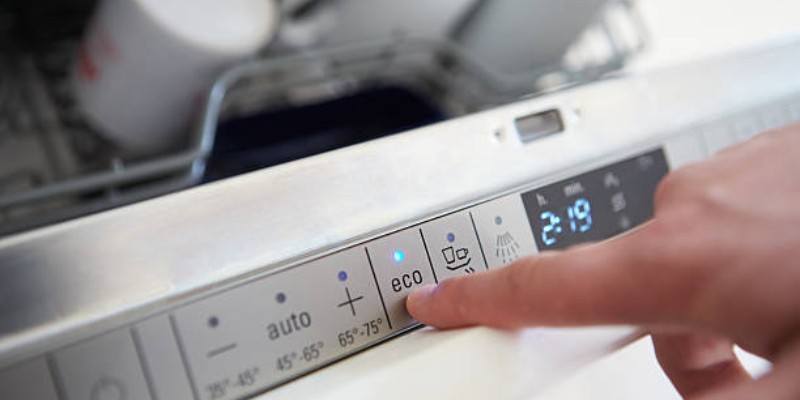
Dishwashers have gotten better quietly but meaningfully. New smart models use soil sensors and variable spray pressure to avoid wasting energy on lightly soiled loads.
Many can connect to utility pricing schedules. If you run them during off‑peak hours, you can save 10–20% per cycle just by shifting when they operate. That adds up over a year without changing how dishes are loaded.
Look for models with delay start and water‑usage tracking to maximize savings.
Induction Cooktops
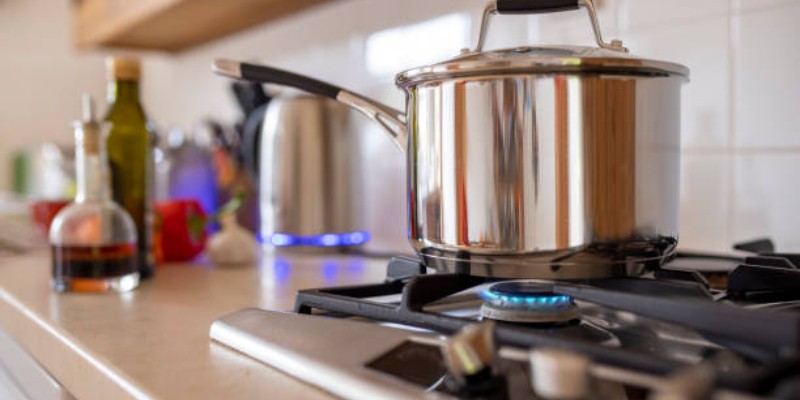
Induction cooktops heat pots and pans directly through magnetic induction, avoiding wasted heat that gas or traditional electric coils emit. According to kitchen efficiency studies, induction cooking can be 85–90% efficient, compared to about 40% for gas.
This means faster heat‑up times, cooler kitchens, and lower wasted energy. Induction also improves safety: if there’s no pot on the burner, it stays cool.
If you cook daily, choosing a quality induction cooktop can cut kitchen energy use while improving control and comfort.
High‑Efficiency Air Conditioners and Heat Pumps
Cooling and heating often account for the largest portion of home energy use. Modern variable‑speed heat pumps deliver some of the biggest gains among energy‑efficient appliances because they adjust output to actual load.
According to the U.S. Department of Energy, high‑efficiency heat pumps can reduce electricity use for heating by 30 to 50 percent compared with older electric resistance systems. In warmer climates, air conditioners with seasonal energy efficiency ratios (SEER) above 20 can save $200 or more annually on cooling costs.
Unlike single‑speed units that switch fully on or off, variable‑speed systems ramp up and down, keeping temperatures stable with less energy. This also improves comfort and reduces wear on the system.
A practical tip is to size the unit properly. Oversized systems cycle on and off too quickly, reducing efficiency. A qualified HVAC technician can match capacity to your home’s square footage and insulation quality.
Smart Thermostats
Smart thermostats continue to be one of the fastest‑payback upgrades homeowners can make. These smart home appliances learn daily routines and automatically reduce heating or cooling when rooms are empty.
Data collected by utility efficiency programs shows average savings of 8 to 12 percent on heating and cooling costs when smart thermostats are used with efficient HVAC systems. This adds up when combined with other efficiency upgrades.
Beyond auto‑scheduling, many smart thermostats offer remote control, usage reports, and alerts when filters need changing. These features help you fine‑tune temperature settings rather than running systems at a constant level all day.
To maximize savings, pair a smart thermostat with a time‑of‑use rate plan from your utility, if available. You can shift heating and cooling to less expensive hours without sacrificing comfort.
Why 2026 Is a Turning Point for Energy Savings
Governments and utilities tightened efficiency rules between 2023 and 2025, pushing manufacturers to redesign core appliances. Global efficiency benchmarks published by energy regulators show that newer high‑efficiency appliances use far less power while delivering the same or better performance.
At the same time, more utilities are offering time‑of‑use pricing. Appliances that can adjust when they run now play a direct role in helping households lower power bills, especially during peak hours. Smart systems and scheduling apps let you run dishwashers, washers, and EV chargers at lower rates.
A practical strategy is to use built‑in scheduling tools rather than manual timers. Many modern appliances can shift cycles automatically based on local utility rate signals.

How to Choose Appliances That Actually Save Money
Efficiency labels matter, but context matters more. Look at annual kWh ratings, not just efficiency badges. A larger ENERGY STAR appliance may still use more total energy than a smaller non‑certified unit.
Also consider how you use appliances. A household that cooks several times daily will see more benefit from an energy‑efficient induction cooktop. A laundry‑heavy home will get faster returns from a heat pump dryer. Matching lifestyle to the right energy‑efficient appliances helps you lower power bills more effectively.
Before buying, check local utility rebate programs. Many utilities offer cash‑back incentives for high‑efficiency HVAC systems and ENERGY STAR appliances.
Making Every Upgrade Count
Upgrading everything at once is rarely necessary. Start with appliances that run constantly or consume the most power. Refrigerators, HVAC systems, and laundry equipment usually deliver the fastest savings.
As utilities raise rates and peak pricing spreads widen, smart home appliances and ENERGY STAR appliances will matter even more. Choosing proven high‑efficiency appliances is one of the most reliable ways to protect household budgets while using less energy every day.
An often overlooked detail is proper installation and maintenance. Even the most efficient equipment underperforms if filters are dirty or ducts are leaky. Regular tune‑ups can improve efficiency by up to 15 percent, according to HVAC service guidelines.
Share this article:
Recommended For You

Most Viewed


ADVERTISEMENT